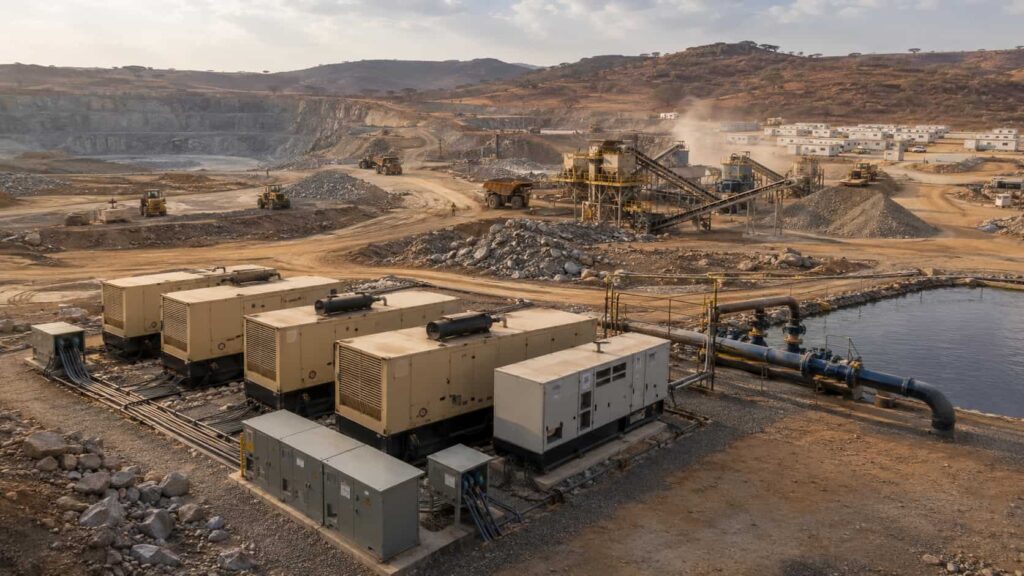
Mining projects in Africa operate in some of the most unforgiving environments on the planet. Remote locations, unstable grid infrastructure, extreme temperatures, and pervasive dust create a massive operational hurdle: securing a reliable, 24/7 power supply.
In these regions, diesel generators aren’t just “backup” equipment—they are the heartbeat of the operation. From the gold mines of Ghana to the copper belts of Zambia, choosing the right power solution is a life-or-death decision for a project’s profitability.
Why African Mining Sites Rely on Diesel Power
In many African mining jurisdictions, the national grid is either nonexistent in remote areas or too unstable to support heavy industrial loads. Diesel generators have become the industry standard because they offer:
Rapid Deployment: They can be transported and commissioned faster than any other power source.
Scalability: Modular designs allow for easy expansion as the mining site grows.
Versatility: Ideal for everything from crushing plants and water pumping to powering remote worker camps.
According to recent global energy outlook reports, decentralized power generation remains the most practical solution for Africa’s industrial sector due to the high cost of grid extension.
What Defines a “Mining-Grade” Generator?
A generator designed for a shopping mall will not survive a week on a mining site. Mining-grade power solutions must handle “Prime Power” demands—operating continuously under heavy, fluctuating loads.
1. Durability in Harsh Environments
Mining sites are synonymous with high dust levels and extreme heat. Generators must feature heavy-duty air filtration and advanced cooling systems to prevent premature engine wear.
2. Maintenance Predictability and Parts Flow
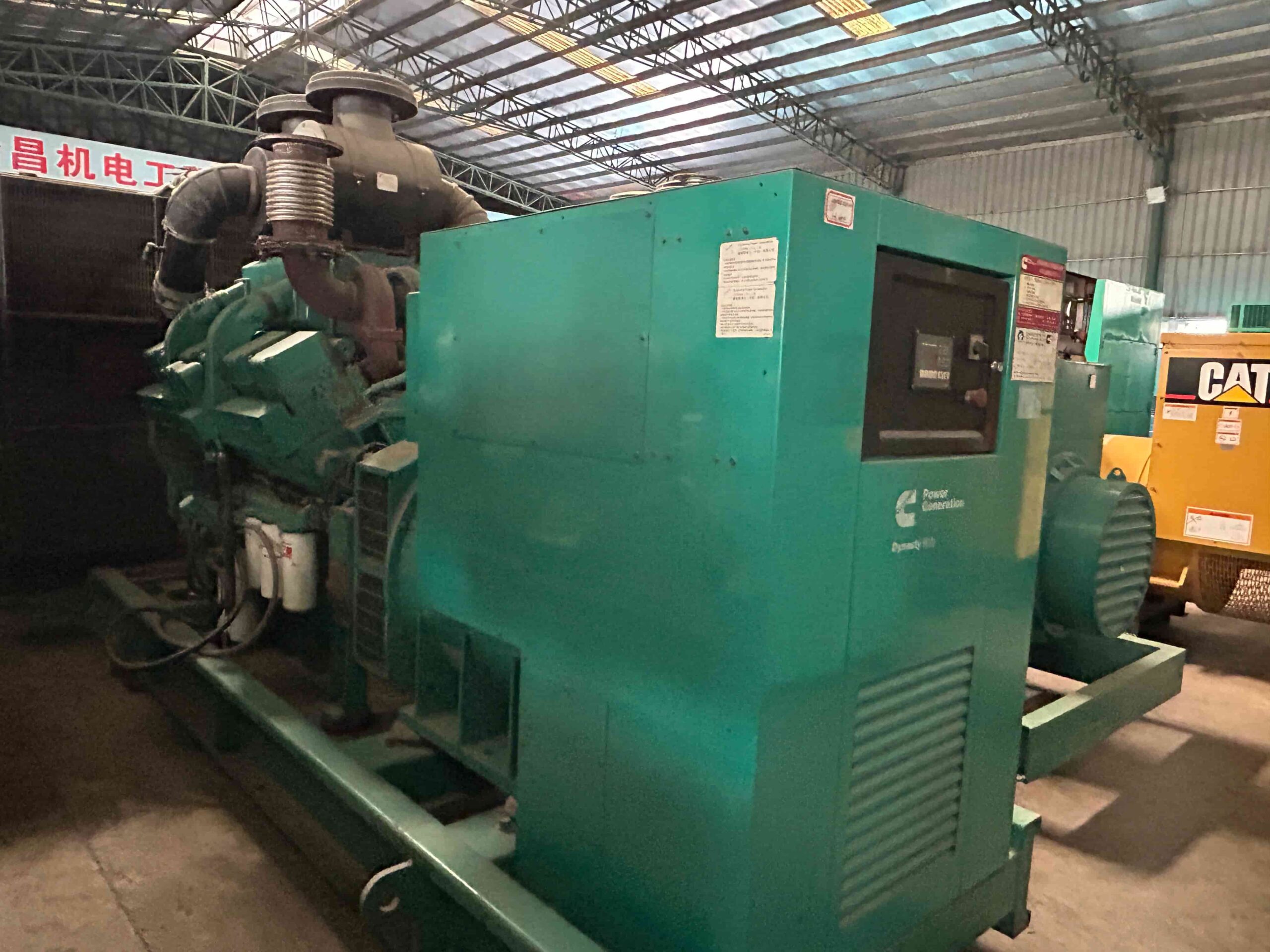
In the bush, downtime is the enemy. Importers and mine operators prioritize brands like Caterpillar and Cummins because their spare parts are a global currency. If a technician in a remote region of the DRC knows how to fix your engine, your downtime stays low.
Top 5 Factors for Selecting a Mining Power Solution
A. Fuel Efficiency and Load Management
Fuel is often the largest operating expense for remote mines, especially when transportation costs are factored in. Modern generators now utilize electronic fuel injection and automated load-sharing systems to ensure engines run at peak efficiency, even as demand fluctuates.
B. High-Capacity and Synchronization
Mining equipment, such as massive crushers and grinders, requires significant startup current. Sites typically utilize:
1000kVA to 2000kVA+ single units.
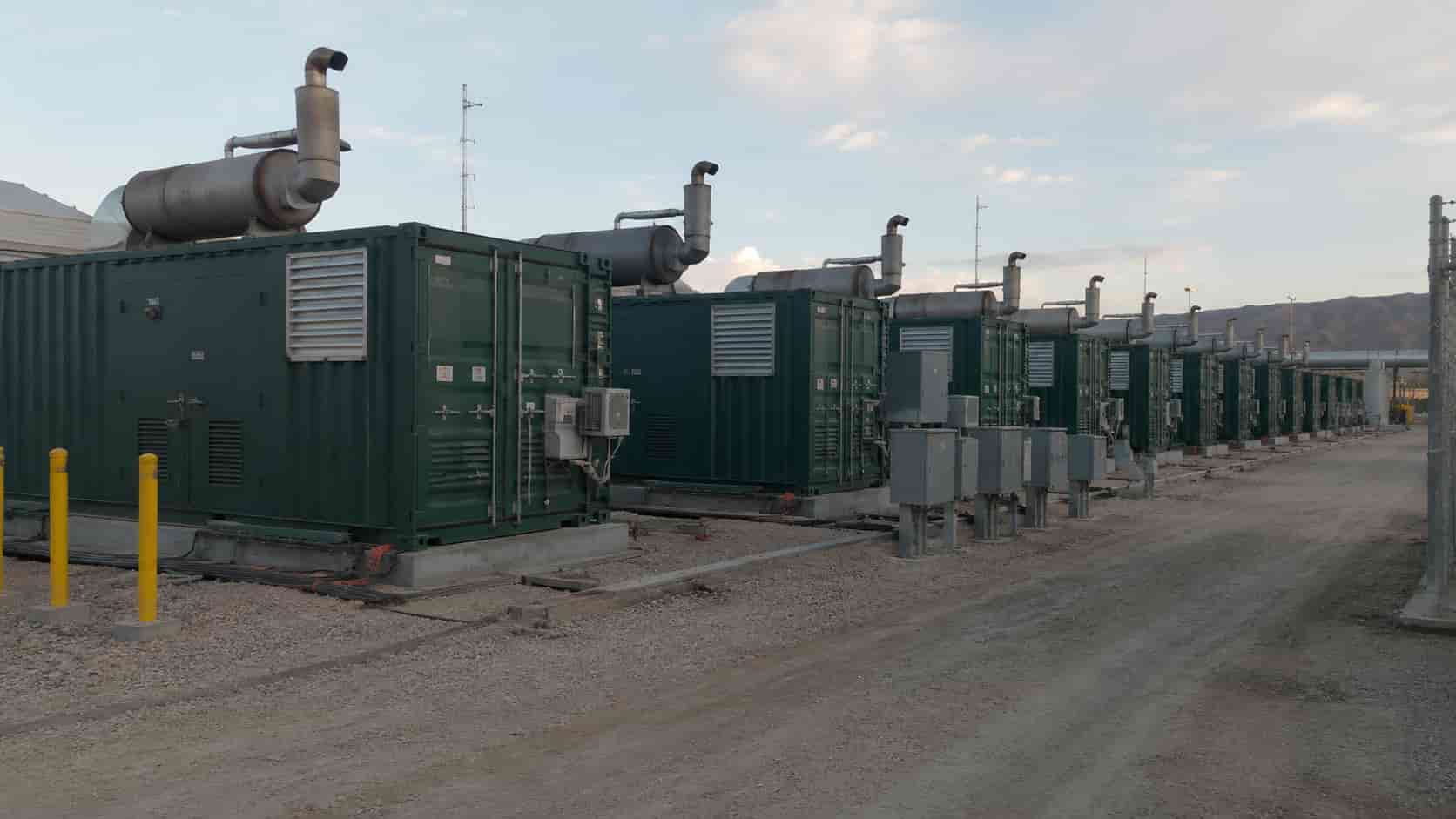
Synchronized Power Plants: Linking multiple 500kVA or 1000kVA units together to provide redundancy. If one unit needs maintenance, the others keep the mine running.
C. Containerized Solutions (The “Plug-and-Play” Model)
Containerized generators (20ft or 40ft) are the preferred choice for 2026. They offer:
Built-in Weather Protection: Shielding the engine from dust and rain.
Security: Lockable steel enclosures prevent tampering.
Mobility: Easy to move as the mining front shifts.
New vs. Used Generators: The Importer’s Choice
For many project contractors and mid-tier miners, low-hour used industrial generators offer a superior Return on Investment (ROI).
Cost: Quality used units can be 40–60% cheaper than new ones.
Lead Time: New high-capacity generators often have lead times of 6–12 months. Used units are usually available for immediate shipment.
Reliability: Rebuilt engines from brands like Perkins or MTU can provide another 15,000+ hours of service if maintained correctly.
For more insights on specialized engine comparisons, see our guide on 3512B vs. 3512 generators.
Conclusion
Choosing the best diesel generator for an African mining site isn’t about finding the lowest price; it’s about finding the most reliable partner. In 2026, the trend is moving toward containerized, fuel-efficient, and highly synchronized systems from brands with established local support networks.
By focusing on TCO (Total Cost of Ownership) rather than just the initial purchase price, mining companies can ensure their production lines never go dark.